 Fairhaven Siding
 Why Lummi Island Windows Wear Out Faster Than Inland Homes
Lummi Island sits out in the salt water of Rosario Strait and Hale Passage, and that location shapes everything about how a window ages here. Homes on or near the water take a steady dose of salt-laden air, wind-driven rain that hits siding and window openings sideways instead of straight down, and a long, damp shoulder season where moss and algae get a foothold on anything shaded or north-facing. None of that is unique to any one house on the island — it's just the climate everyone on Lummi Island lives with, and it's different from what a window sees a few miles inland in Fairhaven or Bellingham proper.
We replace windows across Whatcom County, but island and shoreline homes get evaluated differently than a subdivision house in town. The frame material, the flashing details, and the sealant choices that hold up fine inland can fail early out here. This page is about what actually matters when you're replacing windows on Lummi Island — not a generic rundown of window options.
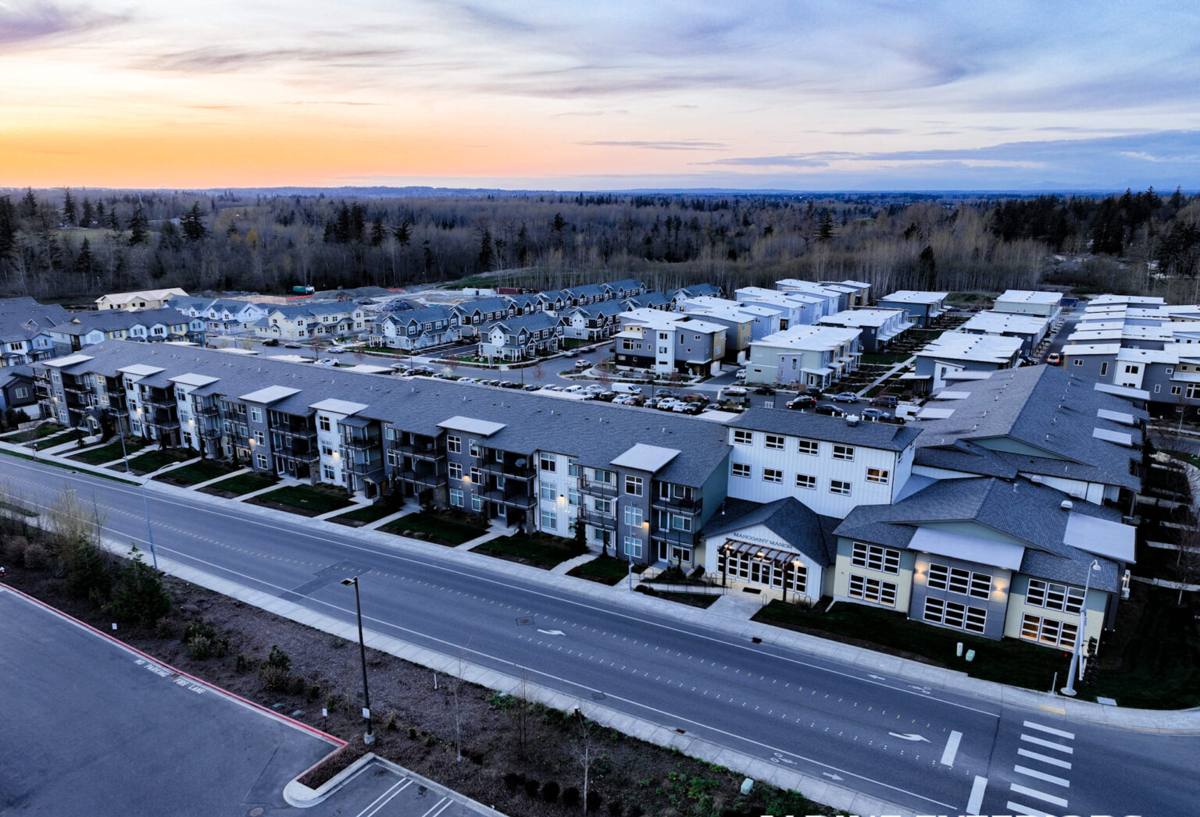
What Salt Air, Rain, and Moss Season Actually Do to a Window
Salt air and metal components
Salt in the air accelerates corrosion on anything metal — window hardware, screen frames, and especially lower-grade aluminum components. Locks that stick, cranks on casement windows that seize up, and pitted or chalky metal trim are common early signs. It's not a defect in the house; it's just what salt air does to unprotected or poorly finished metal over years of exposure.
Wind-driven rain
Straight-down rain is easy for any window to shed. Wind-driven rain coming off the water at an angle is a different problem — it gets pushed up under trim, into gaps around the frame, and into any flashing detail that was installed as an afterthought rather than a system. This is where most water intrusion problems start, and it's rarely the glass itself that fails first.
Moss and algae season
Whatcom County's long wet season means shaded and north-facing walls stay damp for months at a time. Wood sills and trim that aren't properly sealed or that already have failing paint will hold moisture longer, which is exactly what moss, algae, and eventually rot need to get started. On older homes, this shows up first at the bottom corners of the window frame, long before it's visible from a few feet away.
Signs a Lummi Island Home Needs Window Replacement, Not Just Repair
Not every problem window needs full replacement. But on a home exposed to salt air and driving rain, some warning signs mean the window assembly itself — not just the glass or the caulk — has been compromised.
- Soft, spongy, or discolored wood at the bottom corners or sill of the frame
- Persistent fogging or a visible haze between the panes of a double-pane unit (seal failure)
- Hardware — locks, cranks, hinges — that's pitted, seized, or won't hold the sash tight anymore
- Visible daylight or a noticeable draft around the frame when it's windy outside
- Paint that keeps failing on the same window every year or two, even after repainting
- Moss or dark staining that returns quickly after cleaning, especially on shaded elevations
- Interior condensation on the glass or frame during cold, damp stretches
If you're seeing two or more of these on the same window, especially on the side of the house that takes the most weather, replacement is usually the more honest recommendation than another round of caulk and paint.
Choosing a Frame Material for a Marine Environment
Every frame material has trade-offs. For a home exposed to salt air and sustained wind-driven rain, some of those trade-offs matter more than they would on a sheltered inland lot.
| Frame Material | Salt Air / Corrosion Resistance | Maintenance Burden | Typical Lifespan Here |
|---|---|---|---|
| Vinyl | Good — won't corrode or rot | Low; occasional cleaning | 20-30 years, varies by product quality |
| Fiberglass | Very good — stable, doesn't corrode | Low | 30+ years |
| Wood (painted or clad) | Fair — depends entirely on finish upkeep | High; repainting/sealing cycle is real work | Varies widely with maintenance |
| Aluminum (uncoated or low-grade finish) | Poor in direct salt exposure without a marine-grade finish | Moderate to high | Shorter near the water without upgraded coatings |
We don't install lower-grade aluminum on direct waterfront exposures as a matter of professional standard — not because aluminum can't work, but because getting corrosion resistance right requires a marine-grade finish that adds cost most homeowners aren't expecting, and the failure mode (pitting, seized hardware) is exactly the kind of thing that shows up as a warranty headache down the road. Vinyl and fiberglass simply carry less of that risk for the money, which is why they're our default recommendation for exposed Lummi Island walls. Solid wood without cladding can still be the right call on a home where matching original trim detail matters, but it comes with a real, ongoing maintenance commitment that we'll walk through honestly before you commit to it.
Glass and glazing
Double-pane, low-E glass is the standard for most replacements and performs well against Whatcom County's cool, damp climate. Triple-pane adds cost and weight for a marginal gain in insulation value here — it's worth considering on a north-facing wall that takes constant wind, but it's not automatically the better choice for every window on the house. We'll size the glazing recommendation to the specific wall and exposure, not sell a blanket upgrade.
What a Correct Installation Involves on an Exposed Site
The window unit itself is only part of the job. On a home taking direct wind-driven rain, the installation details around the window are what actually keep water out over the following decade.
- Full removal and inspection of the existing rough opening for hidden rot or moisture damage before anything new goes in
- Proper flashing sequence — sill pan flashing, side flashing, and head flashing layered so water sheds outward at every point, not just caulked over
- Correct sealant selection rated for exterior UV and moisture exposure, applied at the right points — not as a substitute for flashing
- Weep paths kept clear so any water that does get behind the trim has somewhere to drain out
- Insulation around the frame so there's no gap left for air infiltration or condensation inside the wall cavity
- Trim and finish work that matches the home and is sealed to shed water, not just sit against the siding
Skipping any one of these steps is usually invisible for the first year or two — the problems show up later, as a soft sill or a stain on the interior wall, and by then the fix is bigger than it needed to be.
Our Process for Lummi Island Projects
Working on the island adds a logistics layer that a mainland job doesn't have, and we plan around it instead of treating it as a surprise.
- Site visit and assessment. We look at the actual exposure of each window — which walls take the weather, which are sheltered — and measure and photograph the openings.
- Honest recommendation. We tell you which windows need full replacement, which could be repaired, and which frame material and glazing make sense for that specific wall.
- Written estimate with the scope, materials, and timeline spelled out — no vague allowances.
- Scheduled installation planned around ferry access and tide/weather windows so materials and crew arrive together and the openings aren't left exposed longer than necessary.
- Final walkthrough to check operation, sealing, and finish work before we consider the job done.
Because the ferry runs on a set schedule, we batch trips and plan material deliveries around it rather than making multiple last-minute crossings — that keeps the project on schedule and keeps costs predictable instead of padded for inefficiency.
Why Local, Island-Familiar Experience Matters
A crew that hasn't worked on Lummi Island before will often underestimate two things: how much worse wind-driven rain is on an exposed wall compared to a sheltered inland lot, and how much the ferry schedule affects a realistic project timeline. That usually shows up as either an installation that isn't built for the actual exposure, or a schedule that slips because nobody accounted for crossing times. We've done exterior work across Whatcom County long enough to plan for both up front, which means fewer surprises for you during the project and a better shot at the window lasting as long as it should.
What Affects Your Cost
We won't quote a number without seeing the actual openings, but the main factors that move the price on a Lummi Island window replacement are consistent from house to house:
- Frame material chosen (vinyl and fiberglass are typically less expensive than clad wood)
- Number of windows and whether any require structural or rot repair to the opening first
- Whether the project needs specialty shapes, larger picture windows, or matching historic trim profiles
- Access and staging logistics specific to the property
- Glazing upgrade choices, such as triple-pane on a particularly exposed elevation
Most full-home window replacement projects land in a broad mid-range for the number of openings involved, with individual window cost varying more by size and material than by anything else. We'll break the estimate down by window so you can see exactly where the cost comes from.
Get a Straight Answer for Your Windows
If your windows are showing wear from salt air, wind-driven rain, or a few too many moss seasons, we're happy to come take a look and give you an honest read on what actually needs replacing. There's no pressure and no obligation — just a clear assessment and a written estimate you can use to make the call on your own timeline. Fill out the form below to get started.