 Fairhaven Siding
 Roof Replacement Built for the Puget Area of Fairhaven
Homes in the Puget area sit close enough to the water that the roof is doing a different job than a roof forty miles inland. Salt-bearing air, wind-driven rain off Bellingham Bay, and a moss season that can run from fall through late spring all load extra stress onto shingles, flashing, and fasteners. A roof replacement here isn't just about swapping old material for new — it's about choosing products and details that hold up to this specific combination of exposure, and installing them the way this climate demands, not the way a generic spec sheet assumes.
This page is about roof replacement specifically for homes in the Puget neighborhood of Fairhaven, in Whatcom County. If you're comparing quotes, trying to figure out why your last roof underperformed, or just want to understand what a correct job looks like before you sign anything, this is written for you.
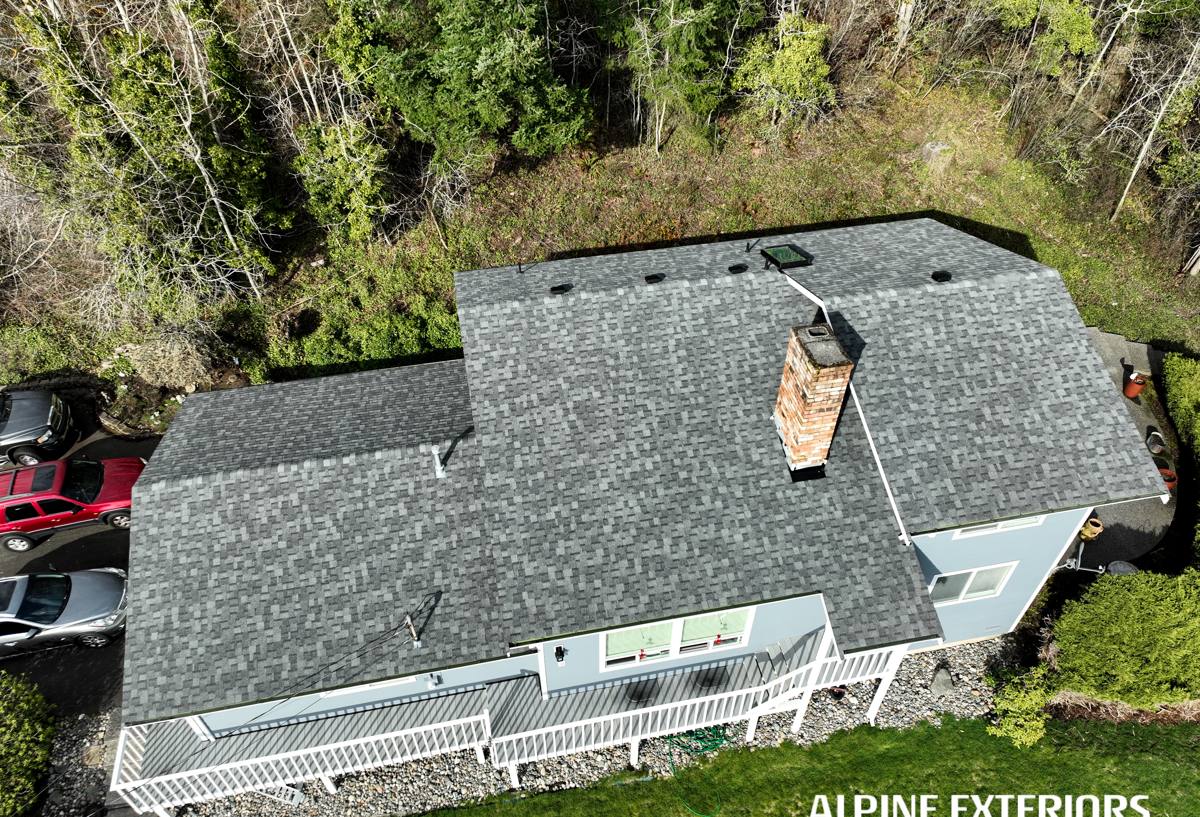
What Salt Air, Rain, and Moss Actually Do to a Roof
Salt-laden air
Proximity to Bellingham Bay means the air carries fine salt particulate, especially during winter storms. Over years, that salt accelerates corrosion on exposed metal — nail heads, drip edge, flashing, and vent stacks — faster than the same materials would corrode a few miles inland. It's a slow process, but it's cumulative, and it shows up first at the smallest, cheapest components on the roof: the fasteners and flashing that are easiest to skimp on during installation.
Driving rain and wind
Storms coming off the Sound tend to arrive with sideways rain, not straight-down rain. That matters because a roof designed only to shed water vertically can still leak under wind-driven conditions, with water pushed up and under shingle edges, around chimneys, and through poorly lapped flashing. This is a wind-and-water problem as much as a shingle problem, and it's why flashing and underlayment details matter more here than in calmer inland areas.
A long moss season
Fairhaven's mix of marine humidity, shade from mature trees, and mild winters gives moss a long window to establish itself — often nearly year-round on north-facing slopes and shaded valleys. Moss isn't just cosmetic. It holds moisture against the roofing surface, lifts shingle tabs as it grows, and works its way under the shingle edge, which shortens the service life of an otherwise sound roof by years.
What a Correct Roof Replacement Involves Here
A roof replacement done right in this setting has a few non-negotiable steps. Skipping any of them is how a roof that looks fine on day one starts leaking or losing shingles in its third or fourth winter.
Full tear-off and deck inspection
We remove existing roofing down to the deck rather than layering over old material. That's the only way to actually see the sheathing, check for soft spots from long-term moisture intrusion, and replace any damaged boards before new material goes down. Roofing over problems just hides them until they're bigger and more expensive.
Underlayment suited to wind-driven rain
Synthetic underlayment across the full roof, with self-adhered ice-and-water membrane at vulnerable areas — eaves, valleys, around chimneys and skylights, and low-slope transitions — gives the roof a second line of defense when wind pushes water past the shingle layer itself.
Flashing that's replaced, not reused
Flashing around chimneys, walls, and roof-to-wall transitions gets replaced with new metal, properly lapped and sealed, rather than reinstalled. Reused flashing is one of the most common causes of a "new roof" that still leaks in the same old spots.
Ventilation that matches the home
Balanced intake and exhaust ventilation keeps moist interior air from condensing against the underside of the roof deck. In a marine climate, poor ventilation shows up as premature deck rot and can void manufacturer warranties on the roofing material itself.
Fastening built for coastal wind
Correct nail placement and count, matched to the shingle manufacturer's high-wind installation instructions, keeps shingles in place during the exposed storms this area sees. Corrosion-resistant fasteners are worth the small added cost given the salt exposure.
Roofing Material Options for Puget-Area Homes
There's no single "best" material for every home — the right choice depends on your roof's slope, how much shade and moss pressure it has, your budget, and how long you plan to stay in the home. Here's how the common options compare for this specific setting.
| Material | Moss/moisture resistance | Coastal wind performance | Typical lifespan here |
|---|---|---|---|
| Architectural asphalt shingle | Good, especially with a zinc or copper strip at the ridge to slow moss regrowth | Very good when installed to high-wind spec | 20-30 years |
| Standing seam metal | Excellent — sheds moisture fast, little surface for moss to grip | Excellent | 40-60+ years |
| Wood shake | Poor without diligent upkeep — favors moss and moisture retention | Fair, more maintenance-sensitive | Highly variable; short if moss/moisture unmanaged |
| Composite/synthetic shake | Good, more consistent than natural wood | Good | 30-50 years |
We install asphalt and metal roofing as our standard offerings because both give predictable, long-term performance in this climate without the ongoing upkeep that natural wood shake demands to stay ahead of moss and moisture. That's a maintenance-and-longevity call, not a knock on shake as a product — it just asks more of the homeowner year after year than most people want to keep up with.
Our Process for a Puget Roof Replacement
- On-site inspection. We walk the roof and attic, check the deck condition, ventilation, flashing points, and moss/moisture damage, and take measurements.
- Written estimate. A clear scope of work and price, with material options laid out honestly rather than upsold.
- Scheduling around weather. We plan tear-off days around forecast windows and dry-in the roof deck the same day it's opened up whenever possible, so you're never left exposed overnight.
- Tear-off and deck repair. Old roofing comes off, the deck gets inspected, and any damaged sheathing is replaced before anything new goes down.
- Underlayment, flashing, and ventilation installation. This is where most of the long-term performance is decided.
- Roofing material installation to manufacturer high-wind specifications.
- Final walkthrough and cleanup, including a magnetic sweep for stray fasteners.
What Drives Roof Replacement Cost
Every roof is different, so we won't put a number on a page that doesn't reflect your actual roof. What we can tell you is what tends to move the price up or down.
| Factor | Effect on cost |
|---|---|
| Roof size and number of planes/valleys | More material and labor-intensive detail work |
| Deck condition | Rot or soft spots found at tear-off add repair cost |
| Material choice | Asphalt is typically the lower up-front cost; metal costs more up front but less over the life of the roof |
| Roof pitch and access | Steep or hard-to-access roofs take longer and require more safety setup |
| Existing moss/moisture damage | Extensive damage can mean more sheathing replacement than a straightforward re-roof |
Before hiring anyone for a roof replacement, it's worth confirming a few basics up front:
- Current, active Washington contractor license and liability insurance
- A written estimate that names the specific underlayment, flashing, and ventilation approach — not just "new roof"
- Manufacturer certification for the shingle or metal system being installed, if warranty coverage matters to you
- A clear plan for deck repair pricing if rot is found once tear-off starts
- References or completed work you can actually see, ideally in this same climate
Protecting the Roof After Installation
A correctly installed roof still benefits from basic upkeep in this climate. Keeping gutters clear so wind-driven rain has somewhere to go, treating moss on shaded slopes before it establishes rather than after, and having flashing and vent boots checked every few years catches small issues while they're still small. None of this is complicated, but skipping it is how a well-built roof loses years of service life it should have had.
Why Hire a Crew That Already Works in Puget
A crew that regularly works Fairhaven and the surrounding Whatcom County area already knows which details matter here — where moss tends to establish first on a north-facing roof, how much underlayment coverage a home this close to the water actually needs, and how local wind patterns off Bellingham Bay tend to find the weak point in a poorly flashed roof. That's not something you get from a crew that mostly works a drier, calmer inland market and treats every job the same way. It shows up in fewer callbacks and a roof that's still doing its job fifteen and twenty years out.
If you're planning a roof replacement in the Puget area and want a straight answer about what your roof actually needs, we're glad to come take a look. The estimate is free, there's no pressure, and you'll get a written scope you can compare against anyone else's — just fill out the form below to get started.