 Fairhaven Siding
 Siding Repair in Sehome: A Different Set of Problems Than Inland Homes Face
Sehome sits close enough to Bellingham Bay and the open water of the Salish Sea that its houses take a different kind of beating than homes twenty minutes inland. The combination that matters most for siding is salt-laden air, wind-driven rain that hits walls sideways instead of falling straight down, and a moss season that can run eight or nine months out of the year in shaded, north-facing spots. None of these problems are dramatic on their own. What they do is work slowly, which is exactly why so many Sehome siding repairs we get called out for started small and got ignored until the damage spread past the original spot.
A siding repair in this part of Whatcom County isn't just about matching a board or patching a hole. It's about understanding why that section failed in the first place, so the repair doesn't just fail again in three years.
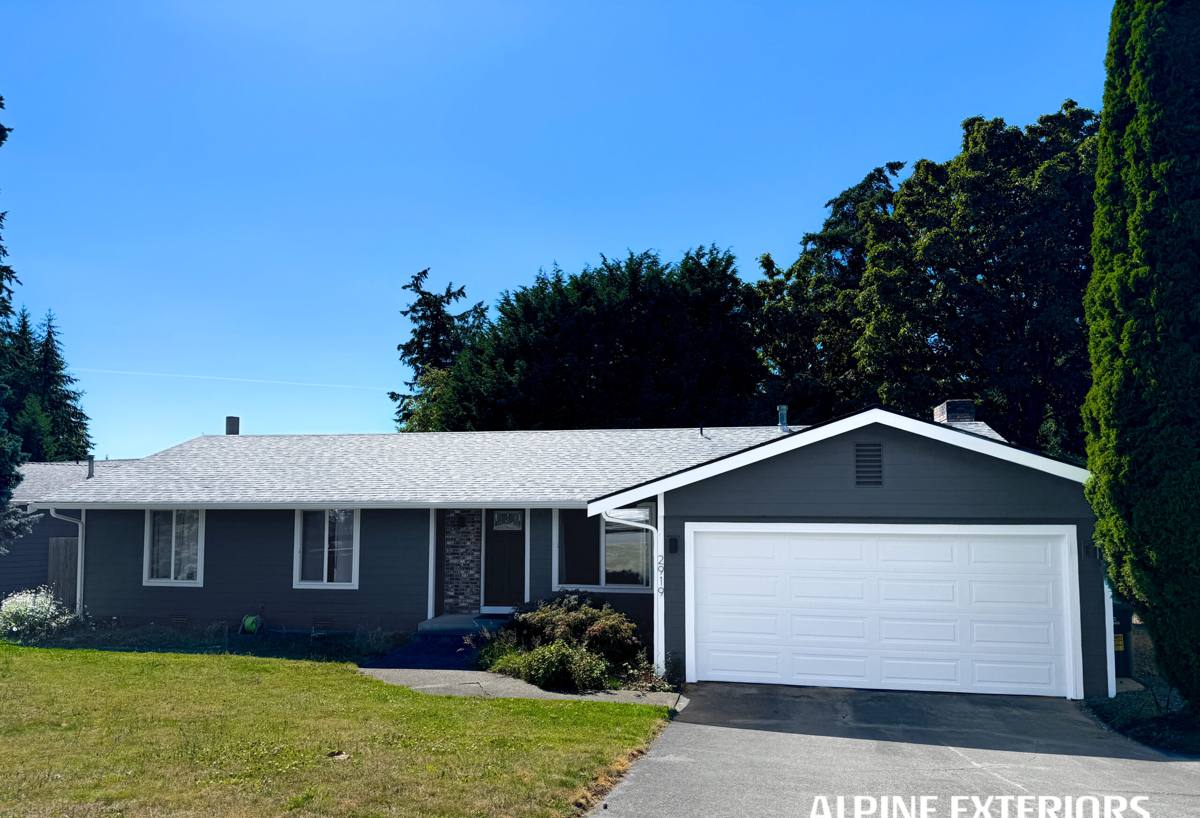
What the Climate Actually Does to Siding Here
Salt Air and Coastal Exposure
Homes within a few miles of the water pick up airborne salt that settles on exterior surfaces and accelerates corrosion of fasteners, trim flashing, and any metal components tied into the siding system. On wood-based and composite products, that same salt film holds moisture against the surface longer than it would on a dry inland wall, which speeds up rot at seams, butt joints, and anywhere caulking has started to fail.
Driving Rain and Wind-Driven Moisture
Fairhaven and Sehome both catch weather rolling in off the bay, and a lot of that rain doesn't fall straight down — it drives sideways into walls, especially on west- and southwest-facing elevations. That matters because most siding systems are designed to shed water moving downward, not water being pushed horizontally into laps, corners, and penetrations like hose bibs, light fixtures, and vents. Wind-driven rain finds every weak point in flashing and caulk, and it's the single biggest reason we see water intrusion behind siding that looks fine from the ground.
The Long Moss Season
Whatcom County's mild, wet winters and shaded lots keep moisture sitting on siding surfaces for long stretches, and moss takes hold anywhere sunlight is limited — under eaves, behind shrubs, on north walls, and in any spot where airflow is poor. Moss doesn't just look bad. It holds water against the siding surface continuously, which softens caulk, degrades paint and factory finishes faster, and on wood-based products can drive rot into the substrate itself.
Common Repair Issues We See in Sehome
Most calls fall into a handful of categories. Recognizing which one you're dealing with helps set expectations before we even get on site.
- Soft, spongy, or delaminating siding near ground level, where splash-back moisture and moss combine
- Failed caulk joints at corners, window trim, and butt seams letting water track behind the siding
- Cracked or buckled panels from moisture cycling — swelling when wet, shrinking when it dries
- Rust streaking or fastener pops where salt air has corroded nails or screws over time
- Localized rot around penetrations: hose bibs, vents, light fixtures, and low decks that trap moisture against the wall
- Color mismatch and finish breakdown on older painted or factory-finished siding that's been repaired piecemeal over the years
Repair or Replace? How We Make That Call
Not every damaged section needs a full re-side, and we're not going to tell you it does. But there's a point where patch repairs stop making financial sense, and it's worth understanding where that line sits before you commit to either path.
| Factor | Points Toward Repair | Points Toward Replacement |
|---|---|---|
| Extent of damage | Isolated to one or two wall sections | Spread across multiple elevations |
| Underlying structure | Sheathing and framing test dry and solid | Soft sheathing or framing found during inspection |
| Siding material | Newer Hardie or fiber cement, easy color match | Aging wood, vinyl, or discontinued product |
| Moisture source | Identified and correctable (caulk, flashing, gutter) | Chronic issue tied to grading, drainage, or design |
| Age of existing siding | Under 10-15 years, still performing elsewhere | Near or past expected service life |
If we open a section and find the sheathing behind it is compromised, we'll tell you honestly — patching over that is a short-term fix that costs you twice. Our job is to give you the real picture, not the answer that's easiest to sell.
What a Correct Siding Repair Actually Involves
A repair done right is more than swapping a board. It has to address the cause of the failure, not just the visible symptom.
Diagnose Before You Cut
We start by finding out why that section failed — a caulk gap, a flashing detail that was never installed correctly, a moss buildup that's been holding moisture for years. If we don't fix the cause, the repair fails again.
Check What's Behind the Siding
Any suspected water intrusion gets a look behind the siding, not just at the surface. Soft sheathing, wet insulation, or framing damage changes the scope of the job, and we'd rather find that during the estimate than after the wall is closed back up.
Match the Material Correctly
Where we're patching existing James Hardie siding, we match plank size, exposure, and ColorPlus finish so the repair doesn't stand out as an obvious patch. Where the existing siding is a different product entirely, we'll talk through whether a true match is realistic or whether that section is a better candidate for a Hardie transition.
Reseal and Reflash Properly
Every repair gets new flashing and sealant at the joints and penetrations involved, using materials rated for coastal, high-moisture exposure — not just whatever caulk happens to match the color.
Why We Patch and Rebuild With James Hardie Fiber Cement
We install James Hardie exclusively, and that carries into how we handle repairs too. When a repair calls for new siding material — not just resealing or refastening existing panels — we use Hardie fiber cement rather than vinyl, LP SmartSide, or other composite products, even for a small patch.
The reasons are the same ones that led us to standardize on Hardie for full installs: it's non-combustible, it doesn't absorb and swell with moisture the way engineered wood products can, and its factory-applied ColorPlus finish holds color and resists the salt-air fading that painted or lower-grade finishes struggle with along the coast. In a climate that cycles between soaking wet and salty for most of the year, that moisture stability matters as much on a repair patch as it does on a whole house.
We're not going to tell you every other siding product is worthless — plenty of homes in Sehome have vinyl or wood siding that's held up fine for years. But when we're the ones doing the repair work, we stand behind what we install, and Hardie is the product we trust to perform in this exact climate.
Our Process for a Sehome Siding Repair
1. On-Site Inspection
We walk the affected areas, check moisture readings where relevant, and look for related issues nearby — one failed section is often a sign of a broader moisture pattern on that elevation.
2. Honest Scope and Estimate
You get a clear explanation of what we found, what caused it, and what it'll take to fix — including whether repair or partial replacement is the smarter call. No pressure to upsize the job.
3. The Repair Work
We remove only what needs to come off, address any moisture or structural issue underneath, install matched or replacement material, and reflash and reseal to current standards.
4. Cleanup and Walkthrough
We clear debris, walk the repair with you, and point out anything else on the exterior worth keeping an eye on — moss buildup starting elsewhere, a gutter that's overflowing onto a wall, that kind of thing.
Signs a Sehome Homeowner Shouldn't Ignore
Because moisture damage in this climate builds slowly, it's easy to write off early warning signs as cosmetic. A quick self-check can catch problems while they're still cheap to fix.
- Soft spots when you press on siding near the ground or under windows
- Dark green or black streaking, especially on north-facing or shaded walls
- Paint or finish that's bubbling, peeling, or chalking unevenly in one area
- Visible gaps or cracking in caulk lines at corners and trim
- Rust stains bleeding from fastener heads
- Any musty smell or interior wall staining on an exterior-facing room
Why Hiring a Crew That Already Works in Sehome Matters
Siding repair isn't a one-size-fits-all trade. A crew that mostly works dry inland climates can miss the specific failure patterns coastal Whatcom County produces — the salt corrosion on fasteners, the moss-driven rot on shaded elevations, the wind-driven rain finding gaps that would never be a problem somewhere less exposed. Working regularly in Fairhaven and the surrounding Bellingham neighborhoods means we're not guessing at what's causing the damage; we've seen the same pattern on the house two streets over.
That local familiarity also means we can usually get to your property faster and give you a realistic read on whether a repair is genuinely isolated or a sign of something worth addressing on the whole elevation before it spreads.
If you've got a section of siding that's started to look rough, feel soft, or show staining you can't explain, we're happy to come take a look. The estimate is free, there's no pressure attached to it, and you'll get a straight answer about what's actually going on — just fill out the form below to get started.