 Fairhaven Siding
 Why South Hill Homes Need a Different Approach to Siding
South Hill sits close enough to the water that salt air is a constant factor in how exterior materials age here, and the terrain and tree cover across this part of Fairhaven mean many homes get long stretches of shade that never fully dry out between Whatcom County's frequent rain systems. That combination — airborne salt, driving rain off the water, and a moss season that can run most of the year on north-facing walls and shaded elevations — is harder on siding than most manufacturers' warranty language accounts for. A siding installation done for a dry-climate spec sheet, without adjusting for what this specific neighborhood throws at a wall, tends to show problems years earlier than it should.
This page is about one job, done right, in one place: installing new siding on a South Hill home. Not a general overview of siding types, not a sales pitch — what your home actually needs here, what correct installation involves, and how we run the job.
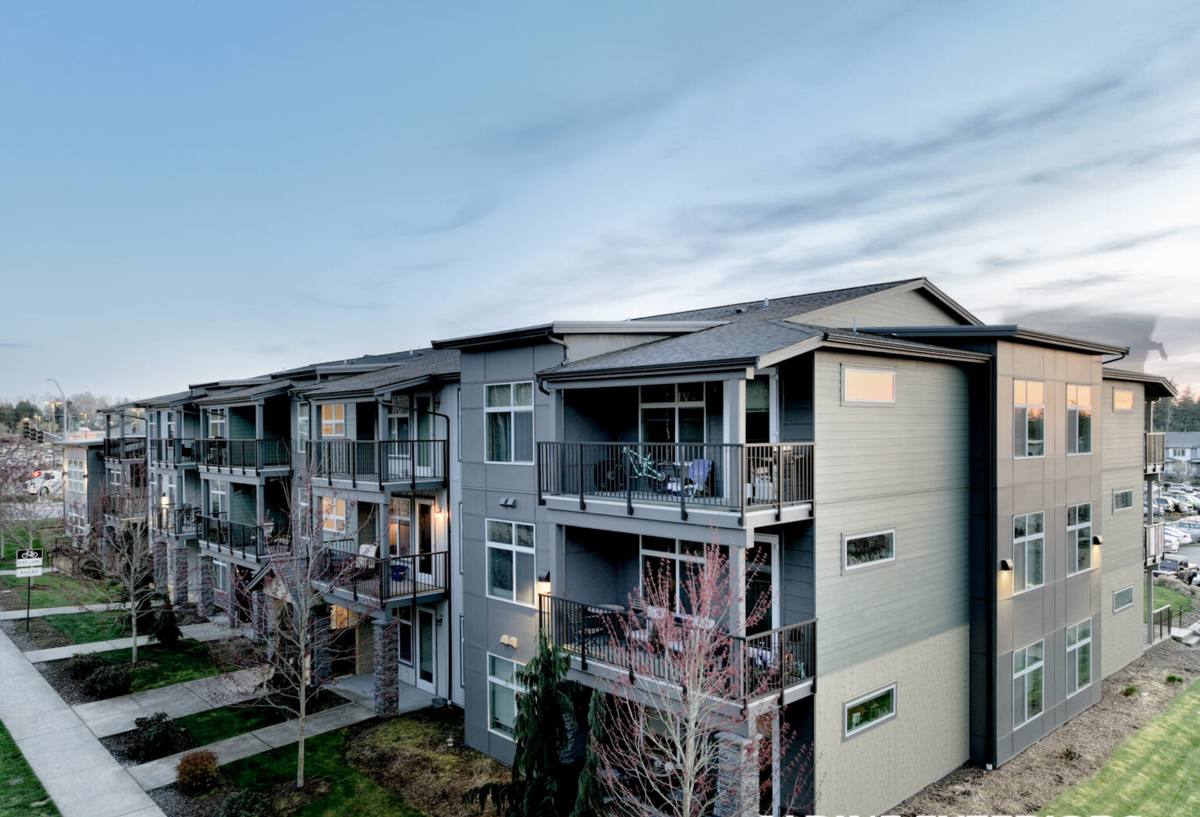
What Local Conditions Do to Siding Over Time
Salt air and moisture
Proximity to Bellingham Bay means fine salt particulate rides in on the wind and settles on exterior surfaces. On its own that's mostly a cosmetic issue — a film that needs occasional rinsing. Combined with a material that absorbs moisture, though, salt air accelerates corrosion of fasteners, trim, and any exposed metal flashing, and it can worsen the freeze-thaw and swelling cycles that damage wood-based and composite sidings.
Driving rain
Storms coming off the water don't just fall straight down — wind-driven rain gets pushed sideways into wall assemblies, working its way behind poorly lapped siding, under-caulked trim, and around penetrations that weren't flashed correctly. A siding system that isn't detailed for driving rain will eventually let water past the face material, and once water is behind the siding, the sheathing and framing are what pays the price.
Moss and shade
Tree cover and marine cloud cover keep a lot of South Hill exteriors shaded and damp for long stretches, which is exactly what moss and algae need to take hold. Beyond the appearance issue, moss holds moisture directly against the siding surface far longer than open sun-exposed walls, which shortens the useful life of any moisture-sensitive material.
What a Correct Siding Installation Actually Involves
The siding itself only does part of the job — most long-term failures trace back to what's underneath it, not the panel or plank itself. A correct installation here means:
- A continuous, correctly lapped weather-resistive barrier behind the siding, with every seam and penetration sealed
- Proper flashing at windows, doors, and any horizontal trim or transition where water can collect
- Rainscreen or drainage gap detailing where the wall assembly calls for it, so any moisture that does get behind the cladding can drain and dry
- Correct fastener type, spacing, and depth for the specific product — over-driven or under-driven fasteners are one of the most common causes of early siding failure
- Manufacturer-specified clearances from grade, roof lines, decks, and other siding terminations, so standing water and splash-back aren't hitting the bottom edge of the material
- Careful caulking and sealing at trim joints, using products rated for the exposure — not a generic caulk that will fail in a season or two
Skip any one of these and the finished wall can look identical to a correctly built one for the first year or two. The difference shows up later, when water finds the shortcut.
Why We Install James Hardie Fiber Cement — Nothing Else
We don't install vinyl, LP SmartSide, primed wood, cedar, or other fiber cement brands like Cemplank or Allura. That's a deliberate standard, not a limitation of what we're capable of installing. For a neighborhood dealing with salt air, driving rain, and a long moss season, the trade-offs of those other products are exactly the ones that show up fastest:
- Vinyl expands and contracts more with temperature swings, can warp or crack in wind-driven debris, and doesn't hold paint if a homeowner ever wants to change the color.
- Wood-based products (LP SmartSide, primed spruce, cedar) are organic materials — even with treated cores or coatings, sustained moisture exposure and shaded, damp conditions are the environment engineered-wood and solid-wood siding is most vulnerable to.
- Other fiber cement brands use the same base material category as Hardie but don't carry the same factory-applied ColorPlus finish system, the same regionally engineered HZ product lines, or the same track record of specifically climate-zoned formulations.
James Hardie fiber cement is non-combustible, doesn't absorb moisture the way wood-based products do, and its HZ5 product line is engineered for the kind of wet, marine-influenced climate Whatcom County sits in. The factory-applied ColorPlus finish resists fading and holds up to salt air and moss growth far better than field-applied paint, and it comes with a substantial, transferable limited warranty — which matters if you ever sell the house. We put it on homes because it's the product that actually holds up to what this specific area does to a wall, not because it's the only thing on the market.
Our Installation Process on South Hill
- On-site assessment. We look at your home's specific exposure — which walls take the most weather, where moss and moisture damage already show, condition of existing sheathing and trim, and any problem areas around windows, decks, or roof-to-wall transitions.
- Tear-off and inspection. Once old siding comes off, we inspect the sheathing underneath for rot or water damage before anything new goes up. This is the point where hidden problems get caught — and fixed — instead of covered over.
- Weather barrier and flashing. We install a continuous weather-resistive barrier and flash every window, door, and penetration correctly for this climate, with attention to the driving-rain exposures common on South Hill.
- Hardie installation to spec. Panels or planks go up per James Hardie's fastening and clearance requirements — not shortcuts, not "close enough."
- Trim, caulking, and finish details. Trim work and sealing get the same climate-appropriate attention as the field siding, since these are common failure points.
- Final walkthrough. We walk the finished job with you, cover care and maintenance specific to your home's exposure, and answer questions before we consider the job done.
Signs Your Current Siding Isn't Handling This Climate
If you're not sure whether replacement makes sense yet, these are the signs we see most often on South Hill homes before a full siding replacement becomes necessary:
| What you're seeing | What it usually means |
|---|---|
| Persistent moss or dark streaking on shaded walls | Moisture retention at the surface — cosmetic now, but a warning sign if it's spreading |
| Soft spots or visible warping in wood-based siding | Moisture has reached the material itself; often more advanced than it looks |
| Paint failing faster than expected between repaints | Substrate is absorbing moisture and pushing the finish off from underneath |
| Cracking or buckling vinyl panels | Material fatigue from temperature cycling and wind exposure, not typically repairable |
| Staining or bubbling near window and door trim | Likely flashing or sealant failure allowing water behind the siding |
Cost Factors for a South Hill Siding Project
Every home is different, but the main variables that move the price on a siding installation here are consistent:
| Factor | Why it matters |
|---|---|
| Condition of existing sheathing | Rot or water damage found during tear-off adds repair scope before new siding can go on |
| Home size and wall complexity | More corners, dormers, and trim details mean more labor and material cuts |
| Siding profile chosen | Lap, shingle-style, and panel Hardie products differ in material and install time |
| Story height and access | Multi-story walls and limited access (slopes, tight lot lines) affect staging and labor |
| Trim and detail work | Window, door, and corner trim scope varies significantly by home style |
We give straightforward, honest estimates based on what your home actually needs — not a generic per-square-foot number that ignores your specific conditions.
What to Ask Before Hiring Anyone for Siding Work Here
- Do they work in this specific area regularly, or is this a one-off job for them?
- Can they explain their flashing and weather-barrier detailing, specifically for wind-driven rain?
- Are they installing to the manufacturer's actual specifications, including fastener and clearance requirements?
- Do they inspect sheathing condition during tear-off rather than just covering over what's there?
- What does their workmanship warranty cover, and for how long?
Why a Crew That Already Works South Hill Matters
Siding installation isn't just about applying a product correctly in general — it's about applying it correctly for what a specific wall, on a specific lot, in a specific microclimate is going to face. A crew that already works in this neighborhood has seen which elevations take the worst of the driving rain, which lots hold onto moss longest, and where the salt air does the most damage to fasteners and trim over time. That experience shows up in the details — flashing choices, clearance decisions, product selection — that a crew unfamiliar with this specific stretch of coastline might not think to adjust for.
If your South Hill home needs new siding, or you're not sure whether repair or replacement is the right call, we're happy to take a look. Fill out the form below for a free, no-pressure estimate — we'll tell you honestly what your home needs and why.