 Fairhaven Siding
 Storm Damage Roof Repair for Bow Homes
When a windstorm rolls off the water and through Bow, it doesn't hit every roof the same way. A roof that was fine last winter can lose shingles, crack flashing, or open up a slow leak after just one bad night of gusts and driving rain. We repair storm-damaged roofs for homes in and around Bow, and we treat every call the same way: figure out exactly what the storm did, fix that, and be honest about what can wait and what can't.
This page is about one thing — storm damage roof repair, done right, for the specific conditions Bow homes deal with. Not a full re-roof pitch, not a generic roofing overview. Just what you need to know if a storm just came through and you're trying to figure out what's actually wrong with your roof and what a proper fix looks like.
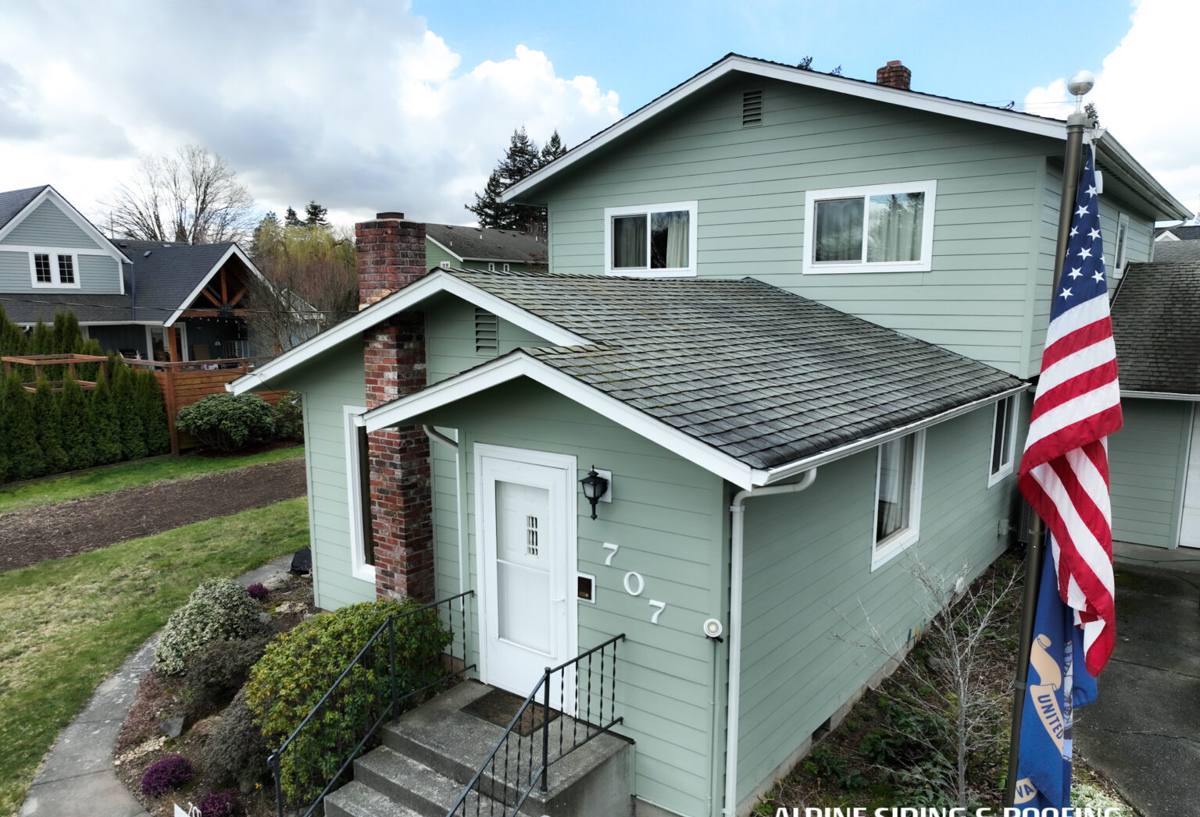
Why Storms Hit Roofs Harder Out Here
Homes near the water in this part of Washington deal with a combination most inland roofs never see. It's worth understanding because it changes how storm damage actually behaves on your roof, and why a repair that looks fine from the ground can still be hiding a problem.
Salt Air and Corrosion
Salt-laden air off the water accelerates corrosion on exposed metal — nails, flashing, gutter fasteners, and screws holding down ridge caps or vents. A storm that wouldn't normally cause much damage can be the final push that pops a nail that's already half-corroded, or that finishes off flashing that was already thinning from years of salt exposure. That's why we always check fastener and flashing condition during a storm inspection, not just the shingles themselves.
Wind-Driven Rain
Straight-down rain and sideways rain behave completely differently on a roof. Wind-driven rain gets pushed uphill under shingle edges, around chimney flashing, and into any gap that a calm-weather roof would shed water past without issue. This is the single biggest reason storm leaks show up in places that never leaked before — the water is entering through openings that only become a problem when rain is being driven sideways at speed.
A Long Moss Season
Mild, wet weather here means moss has a long growing season, and moss holds moisture against the roof surface for months at a time. A storm that lifts or cracks shingles in a moss-covered section causes worse damage than the same storm would on a clean, dry roof, because the moss keeps that area wet long after the storm has passed. Any storm repair on a moss-affected roof should include moss removal in that area, not just a patch over the top of it.
What Storm Damage Actually Looks Like
Storm damage isn't always obvious. Some of it you can spot from the ground; some of it only shows up once someone gets on the roof or into the attic.
- Missing, cracked, or curled shingles, especially on the roof faces that took the wind head-on
- Lifted shingle tabs that look mostly fine but have broken their seal underneath
- Bent, loose, or torn flashing around chimneys, vents, and roof-to-wall transitions
- Granule buildup in gutters or downspouts, a sign of shingle wear accelerated by the storm
- Dented or dislodged gutters and downspouts pulling away from the fascia
- Water stains, sagging, or a musty smell in the attic or upstairs ceilings
- Debris punctures from branches or wind-blown material
- Soft or spongy spots underfoot near valleys or roof penetrations
If you're seeing any of the visible signs, there's a good chance there's related damage you can't see from the ground. That's normal — it's why an actual inspection matters more than a drive-by guess.
What a Correct Storm Repair Involves
A rushed storm repair is one of the most common ways homeowners end up paying for the same problem twice. Doing it right means treating the repair as three separate jobs, not one quick patch.
1. Find the Full Extent of the Damage
We inspect the roof surface, flashing, penetrations, and — where accessible — the attic or interior ceiling below the affected area. Storm damage often extends past the obvious spot, especially with wind-driven rain, which can travel a surprising distance under shingles before it finds a way in.
2. Address the Water Path, Not Just the Hole
A missing shingle is easy to replace. The harder question is whether water already got underneath the surrounding shingles or into the underlayment before the repair happened. If it did, patching the visible damage without checking what's beneath it just seals a wet problem under a dry-looking surface.
3. Match the Repair to the Existing Roof
Shingle color, exposure, and fastening pattern should match the surrounding roof as closely as possible. A repair that stands out or doesn't tie into the existing shingle courses correctly can create a new spot for wind and rain to catch on the next storm.
Repair vs. Replacement: How We Decide
Not every storm-damaged roof needs a full replacement, and not every roof can be safely patched. The right call depends on a few honest factors.
| Factor | Favors Repair | Favors Replacement |
|---|---|---|
| Roof age | Under 10-12 years, otherwise sound | Near or past expected shingle lifespan |
| Damage extent | Isolated to one section or a few spots | Widespread across multiple roof faces |
| Underlying deck condition | Solid, no rot found | Soft decking or signs of long-term moisture |
| Moss and organic buildup | Light, limited to small areas | Heavy, established across large sections |
| Storm history | First significant damage event | Repeated storm damage over recent years |
We'll tell you plainly which category your roof falls into. If a repair is the honest answer, that's what we'll recommend — there's no reason to sell a full roof to a homeowner who needs a section fixed.
Insurance and Documentation
Many storm repairs are covered in whole or in part by homeowners insurance, depending on your policy and the cause of damage. We document what we find with photos before any repair work begins, which gives you a clear record for a claim if you choose to file one. We're not a public adjuster and we won't promise a claim outcome, but we can give your insurer an accurate, professional description of the damage and the repair scope.
Our Process for Bow Storm Calls
- Inspection: We look at the roof, flashing, gutters, and accessible interior areas to find everything the storm affected, not just the obvious damage.
- Written scope: You get a clear explanation of what's damaged, what needs to happen, and a straightforward cost range — no pressure, no scare tactics.
- Temporary protection: If there's an active leak, we can tarp or seal the area to stop water intrusion while a full repair is scheduled.
- Repair: Matching materials, correct flashing and underlayment work, and moss removal where it's contributing to the damage.
- Final check: We walk the repair with you and confirm the area is fully sealed and matched to the surrounding roof.
Why It Matters to Hire a Crew That Already Works Bow
Storm damage repair isn't just about knowing roofing — it's about knowing how roofing behaves in this specific setting. A crew that mostly works drier, inland areas may not think to check flashing corrosion caused by salt air, or may underestimate how far wind-driven rain can travel under shingles before showing up as a stain on your ceiling. Working in and around Bow regularly means we're used to reading the specific pattern of damage that this coastline's weather causes, not applying a generic storm-repair checklist to a roof that has its own climate to deal with.
It also means we're not guessing at material choices. We know which flashing and fastener types hold up against ongoing salt exposure, and we know which sections of a roof tend to take the worst of a storm based on how homes here are typically oriented to the weather.
Simple Maintenance That Reduces Storm Damage
You can't storm-proof a roof, but a few habits lower how much damage a bad storm actually does.
- Keep gutters and downspouts clear so storm water has somewhere to go
- Have moss removed before it spreads across large sections of the roof
- Trim back branches that could come down on the roof in high wind
- Get flashing and fastener condition checked periodically, not just after damage appears
- Address small leaks or lifted shingles promptly, before the next storm makes them worse
If a recent storm has you wondering what's going on with your roof, we're glad to take a look. We offer a free, no-pressure estimate for homes in Bow and the surrounding area — just fill out the form below and we'll get back to you.