 Fairhaven Siding
 Why Happy Valley Roofs Take Storms Differently
Happy Valley sits close enough to Bellingham Bay that wind off the water carries salt with it, and that changes how a roof ages compared to homes further inland in Whatcom County. Add the region's long stretch of wet weather — heavy rain events, low winter sun, and months where a roof rarely gets a chance to fully dry out — and you get a specific set of failure patterns. It's not just "a storm hit the roof." It's a storm hitting a roof that was already dealing with trapped moisture, moss holding water against shingles, and metal flashing that's been slowly working against salt-laden air for years.
That combination means storm damage here often looks worse under the surface than it does from the driveway. A missing shingle after a windstorm is the obvious problem. What's underneath it — soaked underlayment, softened decking, corroding fasteners — is the part that actually determines whether this is a quick patch or a bigger job.
What Storm Damage Actually Looks Like on a Happy Valley Roof
Damage You Can See From the Ground
- Shingles lifted, curled back, or torn loose after high wind
- Bare patches where granules have washed off, exposing dark underlayment
- Flashing bent or pulled away around chimneys, vents, or skylights
- Gutters pulled loose or sagging away from the fascia
- Branch or debris strikes from the conifers common in this part of Whatcom County
Damage That Hides Until It Leaks
The harder damage to spot is underneath. Wind-driven rain can force water sideways under shingles that look intact, especially at valleys, low-slope sections, and anywhere moss has built up a dam. Once water gets past the shingle layer, it's the underlayment and decking that take the hit — and both can stay wet for weeks in our climate before anyone notices a stain on a ceiling. By the time there's an interior leak, the roof damage is usually older and more extensive than the storm that "caused" it.
Why Salt Air, Rain, and Moss Change the Repair Math
A storm repair on a roof one mile inland and a storm repair on a roof exposed to salt air off the bay aren't the same job, even if the visible damage looks identical. Salt exposure accelerates corrosion on fasteners and lower-grade flashing metals. Constant moisture keeps moss and lichen established on north-facing slopes and shaded valleys, and moss doesn't just look bad — it lifts shingle edges and holds water against the roof surface long after a storm has passed.
| Factor | Why It Matters Here | What We Check |
|---|---|---|
| Salt-laden air | Speeds corrosion on exposed nails, staples, and lower-grade flashing | Fastener condition, flashing material and seams |
| Moss and organic growth | Holds moisture against shingles, lifts edges, shortens shingle life | Moss coverage, shingle granule loss under moss lines |
| Prolonged wet season | Gives water more time to find a way past a damaged spot | Underlayment and decking condition below the visible damage |
| Tree cover | Debris impact plus shade that slows drying | Impact points, overhanging limbs, gutter debris load |
None of this means Happy Valley roofs are doomed to fail early — plenty hold up fine for decades. It means a storm repair here has to account for what the climate has already been doing to the roof, not just what the wind did last week.
What a Correct Storm Repair Actually Involves
A patch job that only replaces the shingles you can see is a short-term fix. A correct repair works from the deck up:
- Temporary protection first if there's an active leak or exposed decking — tarping to stop further water intrusion before anything else happens
- Removal of damaged shingles and flashing back to sound material, not just the pieces that are obviously missing
- Inspection of the decking and underlayment underneath — soft, delaminated, or stained decking gets replaced, not covered over
- New underlayment appropriate for our wet climate, not a bare-minimum layer
- Flashing replaced with material suited to salt air exposure, properly lapped so water sheds correctly
- Shingles matched as closely as possible to the surrounding roof, with an honest conversation if an exact match isn't realistic
- A check of how the repaired area ties into gutters, fascia, and the siding below the roofline — this is where a lot of secondary leaks start
Skipping any of these steps doesn't save the homeowner money — it just moves the next leak a year or two down the road.
Our Process for Storm Calls in Happy Valley
We already work in this neighborhood, which changes how fast we can move and how accurately we can scope a job.
Inspection and Documentation
We walk the roof and the attic where accessible, photograph the damage clearly, and note anything that's likely to matter for an insurance claim — not just the obvious storm damage but any pre-existing wear that an adjuster might flag.
Honest Scope, Written Down
We tell you plainly whether this is a repair, a partial re-roof of a slope, or something bigger, and why. If a repair is the right call, that's what we recommend — we don't upsell a full roof when a targeted fix will hold.
The Work Itself
Materials get ordered to match as closely as possible, the crew replaces damaged material back to sound decking, and we check the transition points where the roof meets siding, trim, and gutters before we call it done.
Walkthrough
Before we leave, we walk the repair with you, point out what was done, and flag anything worth keeping an eye on going forward — like a shaded valley that tends to hold moss.
Storm Claims: What's Worth Knowing Before You Call Anyone
We're not insurance adjusters and this isn't legal advice, but a few things consistently help homeowners in this situation:
- Photograph visible damage as soon as it's safe to do so, from the ground — don't get on a wet roof after a storm
- Get a written, itemized estimate from a local contractor before or alongside the adjuster's visit, so the scopes can be compared
- Be cautious of crews going door-to-door immediately after a storm with pressure to sign same-day — a legitimate local contractor will give you time to think it over
- Keep any tarping or temporary repair receipts; insurers generally expect reasonable steps to prevent further damage
- Ask directly whether a repair is being recommended because it's the right fix, or because it's easier to sell
Why a Local Crew Matters More Here Than It Sounds Like
Storm damage repair is one of the easiest trades for out-of-area crews to chase — they show up after a bad weather system, work a neighborhood for a few weeks, and move on before problems surface. A crew that's actually based in the area and keeps working Fairhaven and the rest of Whatcom County has a reason to get it right the first time: we're the ones you'll call if something doesn't hold up. We also know what this particular stretch of coastline does to a roof over time, which affects material choices and where we look for hidden damage that a crew unfamiliar with the area might not think to check.
Roof and Siding Together — Why We Look at Both
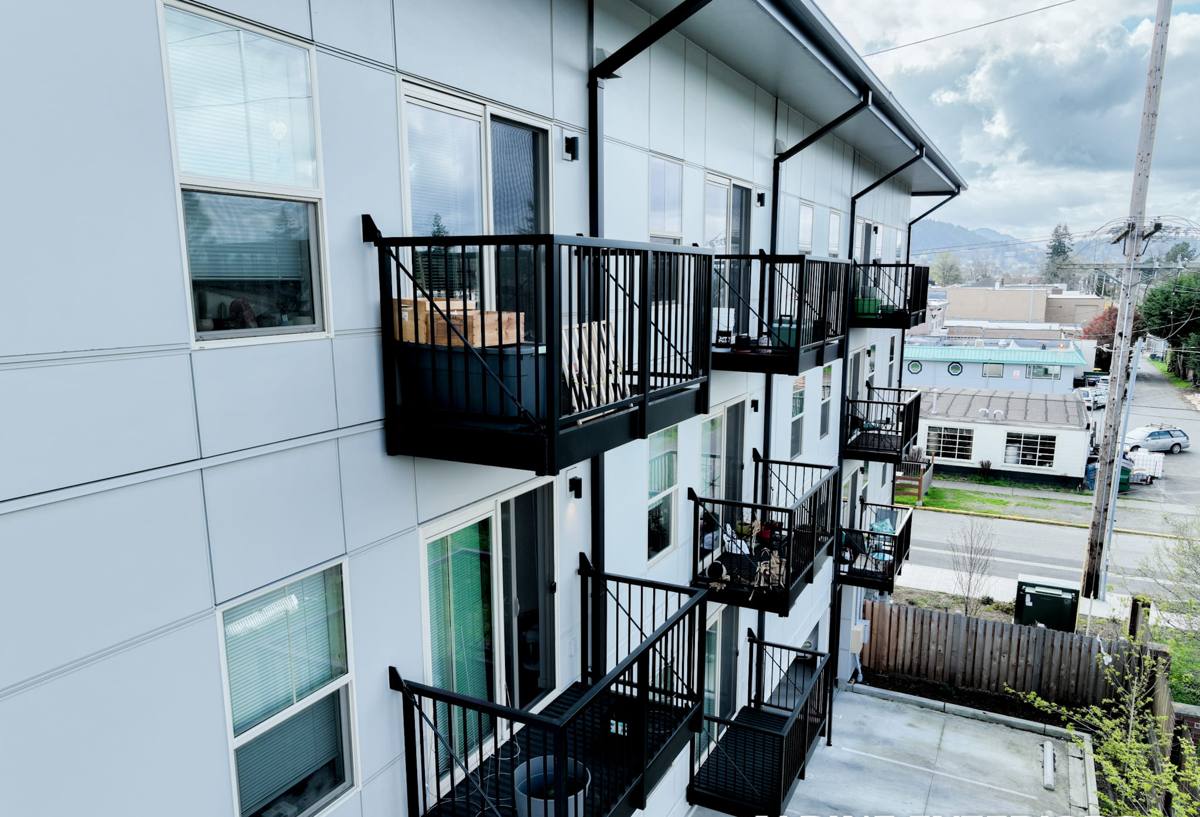
As a siding contractor that also handles roof repair, we pay close attention to where these two systems meet, because that's where storm damage tends to travel. Wind-driven rain that gets past a damaged roof edge doesn't stop at the roofline — it runs down behind fascia boards and can work its way into the siding and trim below. A roof repair that ignores that transition can leave a homeowner with a roof that's fixed and siding that's quietly rotting behind it. When we're on a roof for storm damage, we check the fascia, soffit, and top course of siding as part of the same visit, not as a separate call weeks later.
After the Repair: Keeping Moss and Moisture From Coming Back
A good repair doesn't guarantee the roof won't face the same conditions again next winter. A few habits make a real difference in this climate:
- Clear gutters at least twice a year — more often under heavy tree cover
- Trim back branches that overhang the roof to reduce both debris impact and shade that keeps moss established
- Have shaded, moss-prone slopes checked periodically rather than waiting for the next storm to reveal a problem
- Address small flashing or shingle issues promptly — in this climate, small gaps don't stay small for long
If a recent storm has left your Happy Valley roof with missing shingles, damaged flashing, or a leak you can't quite place, we're glad to take a look. The estimate is free, there's no pressure, and you'll get a straight answer about what actually needs fixing — just fill out the form below.