 Fairhaven Siding
 Why Downtown Bellingham Windows Wear Differently
Downtown Bellingham sits close enough to Bellingham Bay that salt-laden air is a real factor in how fast exterior materials break down, and that includes window frames, hardware, and the seals around them. Add in Whatcom County's long, wet fall-through-spring stretch of driving rain off the water, plus the moss and algae growth that comes with all that moisture and shade from mature trees on many downtown lots, and you have a climate that is genuinely harder on windows than a dry-climate city sees in twice the time.
None of this means windows here fail faster because the products are bad. It means the margin for error in the installation is smaller. A window that's slightly out of level, under-flashed, or sealed with the wrong material might go five or six years without an obvious problem in a dry inland town. In Downtown Bellingham, the same shortcut often shows up in two or three wet seasons as soft trim, fogged glass, or a draft you can feel standing next to the frame.
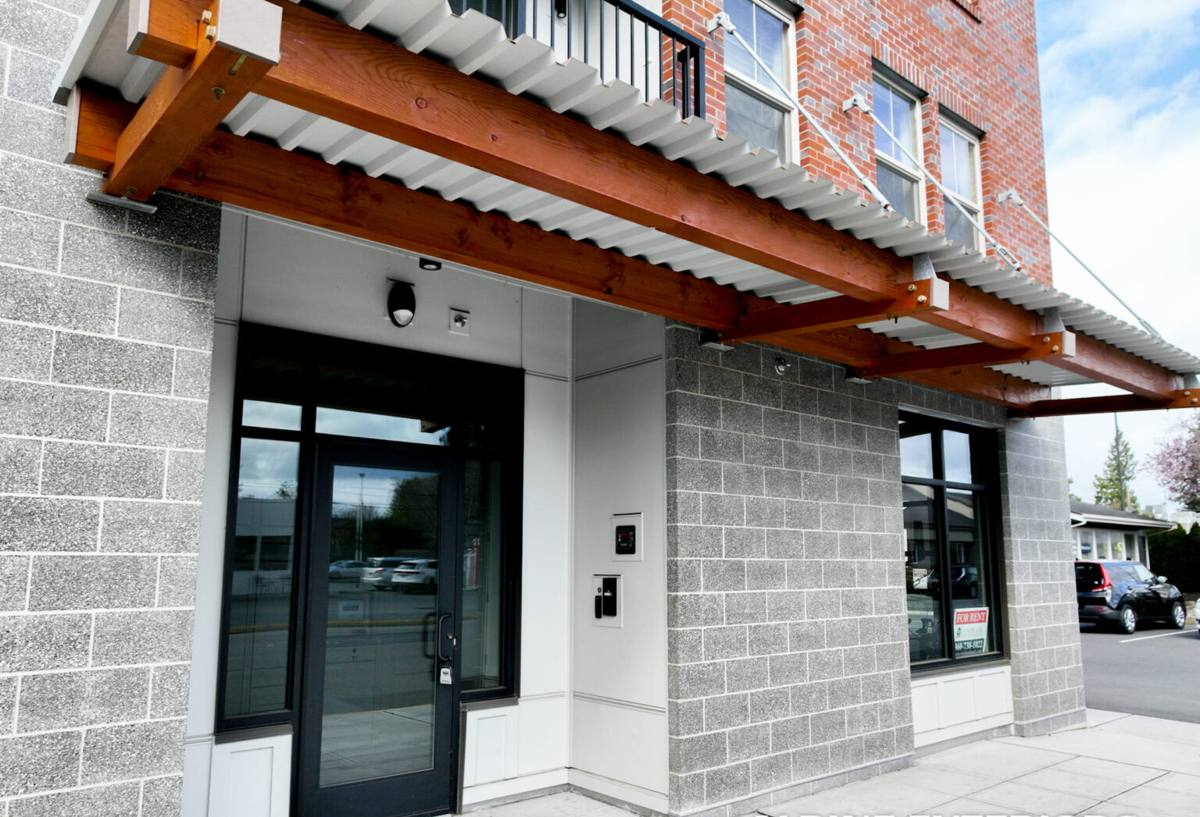
Signs a Downtown Bellingham Home Needs Window Replacement
Older homes in and around downtown often still carry original or early-replacement windows that were never built for today's energy expectations, let alone decades of coastal weather. Here's what we look for when we walk a property:
- Condensation or fogging between the panes of a double-pane window — the seal has failed and the gas fill is gone
- Wood trim or sills that feel soft, spongy, or show dark staining, especially on the side of the house that takes the most wind-driven rain
- Visible moss or persistent green staining on sills and lower sashes that keeps returning within weeks of cleaning
- Drafts you can feel with a hand near the frame on a windy day, even with the window latched
- Windows that are difficult to open, close, or lock — often a sign the frame has swelled, warped, or shifted
- Paint that's peeling or bubbling specifically around the window opening rather than the wall in general
- A noticeable jump in heating costs compared to similar-sized homes nearby
Any one of these on its own might just need a repair. Several of them together, especially on a home more than 20-25 years old, usually means the windows have reached the end of their useful life.
What a Correct Window Replacement Job Involves
Swapping a window is the easy part. Getting the water management right around it is what actually determines whether the job holds up here.
Full-Frame vs. Insert (Pocket) Replacement
An insert replacement drops a new window into the existing frame and is faster and less invasive — a reasonable option when the existing frame is still sound, square, and dry. A full-frame replacement removes the window down to the rough opening, which is the only way to actually inspect and address any hidden rot or water damage in the framing itself. On a home that's shown signs of moisture intrusion, or one old enough that the original frames were never properly flashed, we'll recommend full-frame even though it costs more, because covering up a wet or rotted opening with a new window on top of it just delays a bigger repair.
Flashing and Sealing
This is where most window failures in this climate actually start. Proper installation means integrating flashing tape or a pan flashing at the sill so any water that gets past the exterior cladding drains back out rather than pooling against the wood framing, plus correctly lapped house wrap or building paper above and around the opening. Caulking the exterior trim matters too, but caulk is a second line of defense — it's not a substitute for flashing done right, and relying on it alone is exactly the kind of shortcut that shows up as rot a few winters later.
Fit and Insulation
The gap between the new window and the rough opening needs to be shimmed square and plumb, then insulated with a low-expansion foam or backer rod and sealant — never packed tight with fiberglass batting, which does little to stop air movement and nothing to stop bulk water.
Choosing the Right Window for This Climate
There's no single "best" window material — the right choice depends on your home's exposure, your maintenance appetite, and your budget. Here's how the common options actually perform in a marine, high-moss climate like Downtown Bellingham's:
| Material | Moisture & Salt-Air Behavior | Maintenance | Typical Lifespan Here |
|---|---|---|---|
| Vinyl | Won't rot or corrode; UV can make frames brittle over decades | Low — occasional cleaning | 20-30 years |
| Fiberglass | Excellent — dimensionally stable, resists warping in wet/dry cycles | Low | 30-40+ years |
| Wood (unclad) | Handsome but needs a sound paint or finish barrier; vulnerable at joints and sills | High — repainting/resealing on a cycle | Varies widely with upkeep |
| Wood-clad (vinyl or aluminum exterior) | Good — cladding shields the wood from direct weather | Moderate | 25-35 years |
| Aluminum | Can corrode with prolonged salt exposure unless properly coated; conducts cold | Moderate | Varies; less common as a first choice here |
For homes closer to the water or on more exposed lots, we generally steer clients toward vinyl or fiberglass for the frame material — not because wood or clad-wood are bad products, but because our standard is to match the material to the exposure, and unclad wood in a heavy salt-and-rain environment simply asks for a maintenance commitment that most homeowners underestimate going in.
Our Process for Downtown Bellingham Homes
Assessment
We start by looking at the whole opening, not just the glass — sill condition, existing flashing (or lack of it), siding type around the window, and any signs of past water intrusion. On older downtown homes this step often reveals issues the homeowner didn't know were there.
Working With Older Housing Stock
A lot of homes in this part of Bellingham are older builds with non-standard window openings, original trim worth preserving, or siding materials that need careful cutting back and re-flashing rather than a quick swap. We size and detail each opening individually rather than assuming a one-size approach, and if your home has any historic character worth preserving on the exterior, we'll flag anything that might need a check with the city before work starts.
Installation and Cleanup
Most homes take one to two windows per day depending on size and complexity, with full-frame replacements and rot repair taking longer. We protect interior floors and finishes, remove old windows and debris, and don't leave an opening exposed to weather overnight.
What Affects the Cost
Window replacement pricing varies a lot by scope, so exact numbers aren't useful without seeing the home — but these are the factors that move the price up or down on most projects:
| Factor | Effect on Cost |
|---|---|
| Insert vs. full-frame replacement | Full-frame costs more but is often necessary once rot or poor flashing is found |
| Window material (vinyl, fiberglass, wood-clad) | Vinyl is typically the most affordable; fiberglass and clad-wood cost more upfront |
| Size and window type (single-hung, casement, custom shapes) | Larger and custom units cost more than standard-size double-hungs |
| Hidden rot or water damage found during removal | Adds material and labor to repair the rough opening before the new window goes in |
| Number of windows done at once | Doing multiple windows in one visit typically lowers the per-window cost |
| Trim and siding work around the opening | Matching existing trim profiles or re-flashing siding adds time |
We give a written estimate after seeing the actual openings, and we'll tell you plainly if we find something during the walk-through that changes the recommendation — better to know before the work starts than after.
Why Local Experience Matters
A crew that already works in this neighborhood has seen how the specific combination of salt air, rain direction, and moss growth plays out on real houses here, not just in a manufacturer's spec sheet. That means knowing which exposures on a downtown lot tend to take the worst weather, recognizing early signs of moisture damage in the housing stock common to this area, and not being surprised by an older or non-standard window opening. It also means being around after the job is done — warranty work and follow-up questions are a lot simpler with a contractor based in Whatcom County than one that drove in from out of the area for a one-time job.
After Installation: Keeping New Windows Performing
New windows reduce your maintenance burden, but they don't eliminate it in this climate. A little seasonal attention keeps them performing for the long haul:
- Rinse sills and tracks periodically to keep moss and algae from getting a foothold, especially on shaded sides of the house
- Check exterior caulking once a year for cracking or separation and touch it up before winter rains start
- Keep gutters and downspouts clear so water isn't sheeting down over window heads
- Operate locking hardware a few times a year even on windows you rarely open, to keep seals compressing evenly
If you're weighing whether to repair or replace, or just want an honest read on what your current windows are doing, we're happy to take a look. The estimate is free, there's no pressure to move forward, and you'll get a straight answer about what your home actually needs.