 Fairhaven Siding
 Marietta's Windows Work Harder Than Most
Marietta sits close enough to Bellingham Bay that salt-laden air is a daily fact of life, not an occasional nuisance. Add Whatcom County's driving rain off the Strait and a moss season that can stretch from October well into spring, and you have a climate that quietly wears down window components most homeowners never think about: aluminum cladding fasteners, weep holes, sealants, and the wood or composite sills underneath the glass. A window that would last three decades in a dry inland climate can show real trouble in half that time here if it wasn't installed with this environment in mind.
We work on homes throughout Marietta and the surrounding Fairhaven area regularly, which means we see the same failure patterns over and over — and we know which details actually matter versus which are just upsells. This page covers what window replacement really involves for homes in this specific pocket of Whatcom County, not a generic national checklist.
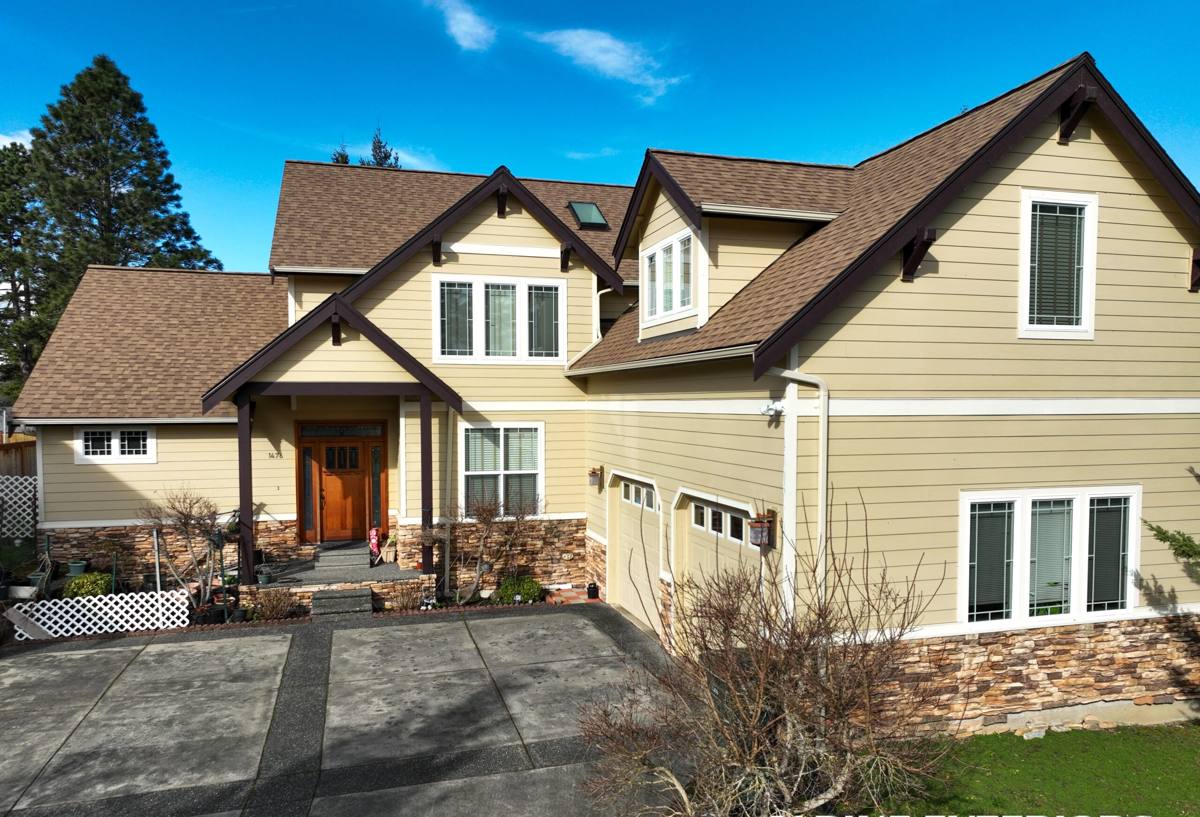
How the Local Climate Actually Damages Windows
Salt Air and Metal Fatigue
Airborne salt accelerates corrosion on aluminum frames, screen hardware, and the small metal components — balance systems, cranks, locks — inside vinyl and wood windows too. Corrosion doesn't announce itself; it shows up as a window that suddenly won't lock flush, a crank that grinds, or a screen frame that's pitted and brittle.
Driving Rain and Wind-Driven Moisture
Rain in this area rarely falls straight down. Wind off the water pushes it sideways into wall assemblies, which means window flashing and sill pan details matter more here than in calmer climates. A window that's air-sealed but not properly flashed can still let water track behind the frame and into the wall cavity — a problem that often isn't visible until siding or interior trim starts showing damage.
Moss, Algae, and Prolonged Dampness
A long moss season means extended stretches where wood trim, sills, and even vinyl tracks stay damp longer than manufacturers assume in their warranty testing. Moss and algae growth on sills and lower sashes isn't just cosmetic — it holds moisture against the frame and accelerates rot in any wood components, and it can clog weep holes that are supposed to let condensation drain out.
Signs a Marietta Home Needs Window Replacement
- Visible condensation or fogging between panes (failed seal on double- or triple-pane glass)
- Soft or discolored wood at the sill, especially on window walls facing the water or prevailing wind
- Windows that are difficult to open, close, or lock, or that no longer sit flush in the frame
- Persistent moss or algae buildup on sills or lower sashes that returns soon after cleaning
- Noticeable drafts or a cold feeling near the window even when it's fully closed
- Rising heating bills without a clear other cause
- Visible daylight or gaps around the frame from outside
- Peeling paint or bubbling drywall on the interior wall below or beside the window
Any one of these on its own might just need a repair or a re-caulk. Several at once, especially on an older window, usually points to replacement being the more cost-effective long-term call.
What a Correct Installation Actually Involves
Window replacement done right is mostly about what happens before the new window ever goes in. In a climate like Marietta's, the flashing and sealing details are what separate a window that lasts from one that fails early.
Removal and Opening Inspection
We remove the old window carefully and inspect the rough opening for hidden rot, damaged sheathing, or prior water intrusion before anything new goes in. This is the point where problems that caused the original window to fail get caught and fixed, rather than sealed behind a new frame.
Sill Pan and Flashing
A proper sill pan creates a sloped, waterproof barrier under the window that directs any moisture that does get past the frame back outside rather than into the wall. Combined with correctly layered flashing tape integrated with the home's weather-resistive barrier, this is the single biggest factor in whether a window stays watertight through a wet Whatcom County winter.
Air Sealing and Insulation
The gap between the window frame and the rough opening gets sealed with low-expansion foam or backer rod and sealant — enough to stop air movement and reduce condensation risk without bowing the frame out of square.
Exterior Sealant and Trim
Exterior caulking and trim work needs a sealant rated for the temperature swings and UV exposure this area sees, applied to a clean, dry surface. Rushed caulking over old, failed sealant is one of the more common shortcuts that leads to an early callback.
Frame and Glass Options Compared
| Frame Material | Salt Air / Moisture Behavior | Maintenance | Typical Fit |
|---|---|---|---|
| Vinyl | Won't corrode or rot; performs consistently near salt air | Low — occasional cleaning | Most Marietta homes, especially replacement projects |
| Fiberglass | Very stable in moisture and temperature swings; strong long-term option | Low | Homes wanting extra durability, slightly higher budget |
| Wood (clad exterior) | Exterior clad protects against weather; interior wood needs to stay dry | Moderate — watch for exterior seal wear over time | Homes prioritizing a traditional interior look |
| Aluminum | Prone to corrosion and thermal transfer in salt air without upgraded coatings | Higher — coating and hardware upkeep | We generally steer homeowners here toward vinyl or fiberglass instead |
We don't install aluminum-frame replacement windows in this area as a default recommendation — not because aluminum is a bad material everywhere, but because standard aluminum hardware and cladding fasteners corrode faster in sustained salt air than vinyl or fiberglass equivalents, and that's a maintenance burden we'd rather steer clients away from up front.
For glass, we typically recommend dual-pane, low-E coated units as the practical standard for this climate, with argon fill and warm-edge spacers to reduce condensation risk on cold, damp mornings. Triple-pane is available for homeowners prioritizing maximum insulation and noise reduction, at added cost and weight.
Our Process for Marietta Projects
- Free on-site assessment. We look at your current windows, note any signs of water intrusion or rot around openings, and talk through what you actually need versus what you don't.
- Written estimate. Clear pricing by window, frame material, and glass package — no surprise add-ons sprung on installation day.
- Measurement and ordering. Precise measurements matter more here than in a dry climate, since a poor fit means more sealant relied on to do the flashing's job.
- Installation. Old window removal, opening inspection, sill pan and flashing, new window set, air sealing, and exterior trim and sealant — done in the sequence that actually keeps water out.
- Walkthrough. We check operation on every window with you before calling the job done.
What Affects the Cost
| Factor | Why It Matters |
|---|---|
| Frame material | Vinyl is typically the most budget-friendly; fiberglass and wood-clad cost more upfront but may offer longer service life |
| Glass package | Dual-pane low-E is standard; triple-pane and specialty coatings add cost |
| Window size and style | Larger units, bay windows, and custom shapes take more labor and material than standard double-hungs |
| Condition of the rough opening | Hidden rot or water damage found during removal adds repair scope before the new window can go in correctly |
| Number of windows | Doing a whole house at once is generally more cost-efficient per window than piecemeal replacement over several years |
We give straightforward, itemized estimates so you can see exactly what's driving the number, and we'll always tell you honestly if a lower-cost option is genuinely fine for your situation versus if it's a corner not worth cutting given how this climate treats windows.
Why a Crew That Already Works Marietta Matters
Window replacement isn't just a product install — it's a weatherproofing job first. A crew that hasn't worked much in coastal Whatcom County can install a perfectly good window with textbook flashing and still get the sequencing wrong for the amount of wind-driven rain this area sees, or underestimate how much moss and algae exposure a low sill is going to get. We've seen what fails here and why, which shapes how we flash, seal, and detail every opening — not just on this project, but as a standard we hold across every job in Marietta and the wider Fairhaven area.
Local familiarity also means we're not guessing at permitting or typical construction in older Marietta homes versus newer builds nearby. That translates into fewer surprises during removal and a tighter, more accurate estimate from the start.
Choosing a Contractor: A Practical Checklist
- Ask specifically how they handle sill pan flashing — a vague answer is a red flag in this climate
- Confirm they inspect the rough opening for rot before installing, not just after a complaint
- Get the frame material and glass package specified in writing, not just "vinyl window"
- Ask how they've seen salt air affect hardware and cladding on past local jobs
- Check that the estimate is itemized by window, not a single lump sum
- Confirm licensing and insurance before any work begins
Get a Free, No-Pressure Estimate
If your Marietta home's windows are showing condensation, drafts, soft sills, or persistent moss, it's worth having a straightforward look before winter weather makes small problems worse. Use the form below to request a free estimate — we'll assess what's actually needed and give you honest, itemized pricing, no pressure either way.